

12 Best Expensify Alternatives & Competitors in 2026




TLDR;
- The 12 best Expensify alternatives in 2026 are ITILITE, Emburse, Ramp, Navan, Brex, SAP Concur, Sage Expense (Fyle), Coupa, BILL Spend & Expense, Tipalti, Zoho Expense, and Mesh Payments.
- 30% of T&E buyers reevaluated their platform in 2025; 39% cited tech issues, 37% service quality.
- The four most-common Expensify churn drivers: Concierge AI support loops, the chat-centric UI rebuild, NetSuite sync errors, and surprise auto-renewals.
- Pick by use case: integrated T+E+cards (ITILITE), finance-led card automation (Ramp/Brex), enterprise compliance (SAP Concur), AP-led SMBs (BILL S&E), global mass payments (Tipalti).
- The best Expensify alternative for your team is the one that closes the specific gap that pushed you to look in the first place.


If you are searching for an Expensify alternative in 2026, you are not alone.
A 2025 GBTA poll found that 30% of corporate T&E buyers reevaluated their platform during the year, with 39% citing dissatisfaction with the technology and 37% citing service quality.
Expensify is a well-known expense management tool: simple, cheap, and great for scanning receipts on the go. It helps with reimbursements, invoice tracking, and basic travel booking. For freelancers and small businesses, it is often a great choice.
But as businesses grow, realities change. What works for a small team often becomes not viable for companies with large volumes of transactions. As you scale into the mid-market or enterprise space, you might find that you have simply outgrown the platform.
If you are reading this, those limits are likely starting to show. Maybe you are tired of the "chat-first" interface, or maybe you need controls that a tool built for small business just can't provide. A VP of marketing at a software company put the current sentiment to us bluntly during a recent ITILITE conversation: "I don't think anybody's in love with it." Below, we compare the top options honestly so you can decide for yourself.
Why are users exploring alternatives to Expensify?
Users exploring alternatives to Expensify most commonly cite support responsiveness, UI complexity, integration limitations, and billing friction as the primary reasons for switching.
1. Lack of human support:
The most common frustration cited by users is the lack of direct human support. Expensify pushes inquiries through "Concierge," an AI-first chatbot. In urgent scenarios like a card decline or a sync error during month-end close users report getting stuck in "AI loops" with no phone number to call. You are effectively stranded until the bot escalates you. Many teams switch simply to get a human on the phone when it matters.
A Capterra reviewer captured the recurring pattern directly: "Concierge is automated and deliberately sends back generic, frustrating messages that have NOTHING to do with what you are asking".
2. Interface Confusion
Expensify's recent pivot to a chat-centric interface has caused friction for finance teams. Users report that the new UI can feel "laggy" and "unrecognizable." Simple tasks, like finding a report or segregating expenses by date with subtotals, often require more clicks than before.
Some features, for instance, the receipt scanner, can feel clunky as per some users. Instead of a clear "To-Do" list, expenses get buried in chat threads, making workflow visibility unclear. All this might confuse the customer.
A Capterra reviewer in July 2025 framed it directly: "The new UI feels more complicated to navigate, with more submenus, it requires more clicks to get to the same place" ). The downstream effect shows up in finance-team workflows. A growth-stage analytics company in conversation with ITILITE reported approximately $1.1 million in monthly travel spend, with material leakage flowing back through Expensify for off-platform reimbursements.
3. Integration Gaps between Travel Booking & ERPs
For a tool built on automation, manual interventions are still frequently required. Users feel that Expensify could offer tighter or better integration with their payroll system. While QuickBooks syncs relatively well, integrations with NetSuite often face "sync errors" (like ExpensiError NS0023) where custom fields fail to map.
Finance teams end up manually exporting CSVs and re-entering data, defeating the purpose of paying for software.
4. Billing Friction
A recurring pain point involves the administrative side of the account. Users note that practices can be unfair and inflexible. Administrators have reported difficulty canceling workspaces or being enrolled in annual subscriptions without clear confirmation. Users report unexpected "pro feature" charges, strict cancellation deadlines, and steep pricing for small businesses.
A Trustpilot reviewer summarized the auto-renewal trap directly: "I have tried to cancel my subscription to be told that I am locked in for a year. This was one month after it auto renewed with no reminder". The pricing concern surfaces during evaluations as well.
A finance team at a fitness-equipment company in an early-2026 ITILITE conversation cited the seat-cost delta directly: Expensify at roughly $38 per seat versus ITILITE at $6 per seat for their use case.
Summary comparison of Expensify's alternatives:
What are the top Expensify alternatives in 2026?
The following are the top Expensify alternatives in 2026, selected based on product capabilities, G2 ratings, pricing transparency, integration depth, and real customer review trends. We evaluated each platform on expense automation, corporate card workflows, travel management, ERP integrations, scalability, and overall finance team usability.
1. ITILITE
Let's start with the obvious choice (us). We aren't pretending to be neutral, but the user reviews back us up. We built ITILITE specifically for mid-market and enterprise teams who want the speed of a consumer app combined with the reliability of dedicated enterprise support.
Key features of ITILITE:
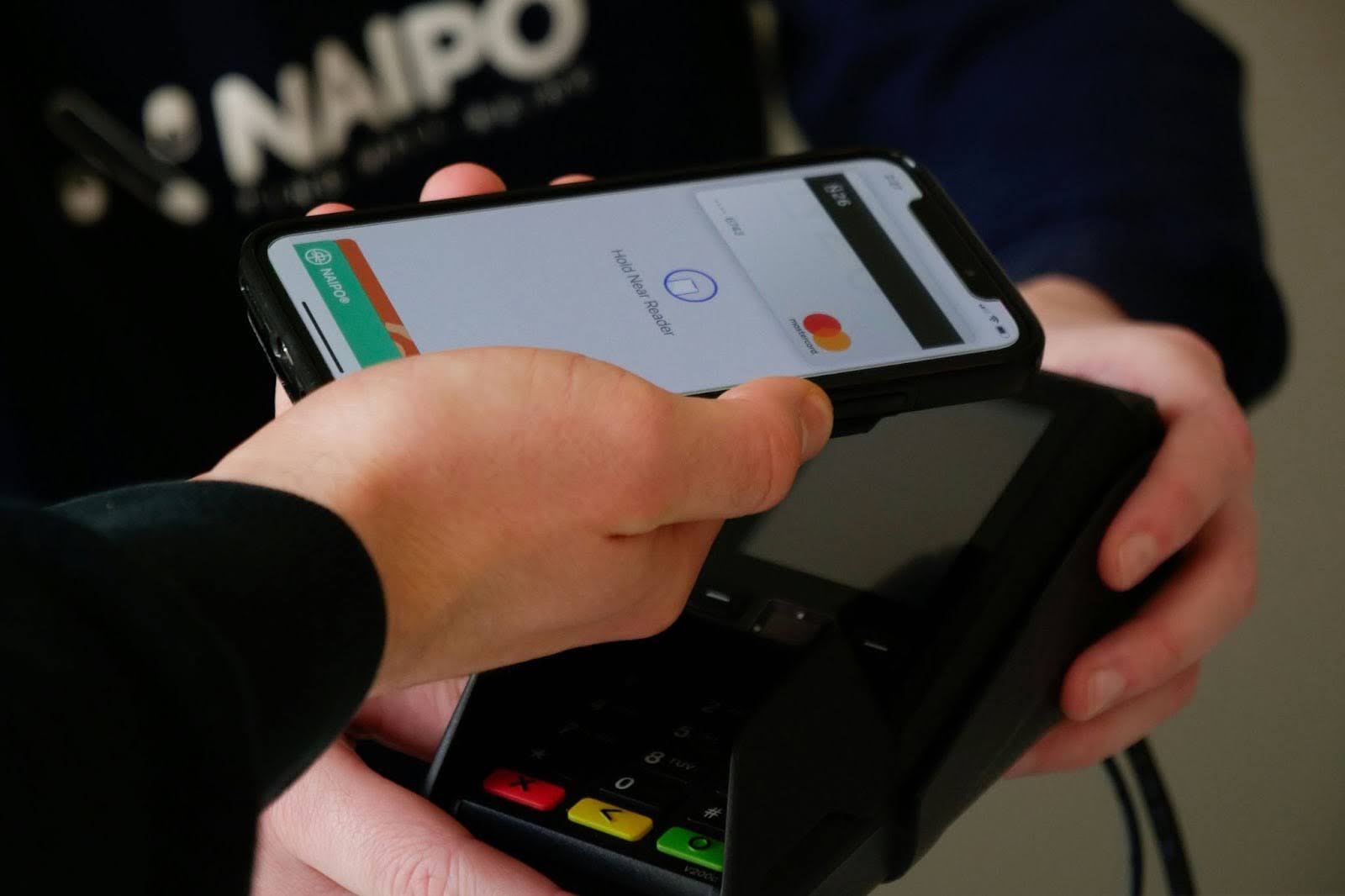
- User friendly corporate cards: Our integrated corporate cards come with up to 2.5% cashback. The experience is smooth overall. You swipe your card and file expenses instantly.
- Instant expense reconciliation: The moment you swipe a card, the expense gets created in the expense management module. You just need to add the receipt with one tap. Expense tagging to GL code, reconciliation within the ERP, everything follows automatically.
- Wide travel inventory: Access unmatched inventory with corporate negotiated rates (up to 20% cheaper). The platform provides real-time updates on flight prices to keep you on budget. So you don't fill out forms over and over making it easy to find the best flights matching your schedule.
- Policies and approvals: You can create policies within minutes and apply dynamic rules based on employee level, flight / hotel type, city, etc. Approvals are flexible as well, set up approvers, notifications, booking status post approval based on what suits you best.
The Catch
- If you wish to book train journeys, ITILITE might have to connect with third party vendors to fulfil those.
- For local invoicing in countries like Brazil, ITILITE lacks inhouse capabilities and has to connect with external partners.
What are the main differences between ITILITE and Expensify?
- While Expensify relies on the "Concierge" bot loop, ITILITE provides top-notch, 24/7/365 human support. Users describe our team as pleasant, helpful, and professional. You will speak to a real person within 30 seconds via phone, chat, or email.
- ITILITE integrates natively with all major HRMS and ERP systems (NetSuite, Sage, QBO, Workday), eliminating the data glitches known with Expensify.
- As growing businesses scale into the midmarket and enterprise, they naturally graduate from Expensify to ITILITE.
ITILITE's Pricing:
- Expense: $9 per user / month
- Travel: $10 per trip
- No integration fees, and no hidden "platform" fees. See ITILITE's full pricing for details.
2. Emburse
Emburse is a "finance-first" platform that groups several tools (Certify, Chrome River, Abacus) under one brand. If ITILITE is built for speed and simplicity, Emburse is built for the finance manager who loves a complex rulebook. Companies with incredibly specific, rigid expense policies that most modern tools can't handle. If you need to enforce a 15-page travel policy down to the decimal point, Emburse is a strong contender.
Key Features:
- Detailed Audit Controls: Known for deep auditing capabilities. It forces users to be accountable for receipts and allows for highly granular approval workflows.
- Unified Travel Booking: They recently launched a native travel management solution (2025), aiming to catch up with unified players.
- Efficient Desktop Dashboard: The desktop interface is user-friendly once it is set up. For AP teams, it replaces manual Excel sheets effectively and cuts down approval times significantly compared to paper.
The Catch:
- Because Emburse is a collection of acquired companies, the experience can feel disjointed. While the desktop site works well, the mobile app is often "laggy," and struggles to sync data correctly.
- While they promise seamless connections (especially on NetSuite and Capital One), direct integrations often fail, forcing manual CSV uploads. Despite sales promises, automation required a custom script they had to build themselves.
- Reports of renewal prices hiking by nearly 50% with little notice, switching clients from monthly to annual billing overnight.
What are the main differences between Emburse and Expensify?
- Emburse offers far stronger enterprise-grade controls.
- Expensify is lighter and better for freelancers who just want to scan a receipt; Emburse is built for heavy compliance and multi-level approvals.
Emburse's Pricing:
- Tiered, per-user pricing (Quote-based).
- Might include hidden implementation fees and steep renewal hikes.
3. Ramp
Ramp started as a corporate card company and has rapidly expanded into a broader finance platform. They are the "cool kid" on the block, marketing themselves as a cost-effective alternative to traditional software. Small to mid-market businesses that are happy to switch their banking/card provider to get better automation. If you are "card-first," Ramp is a strong contender.
Key Features of Ramp:
- Smart Virtual Cards: Excellent virtual card controls. You can spin up a card for a specific vendor instantly, and their price intelligence automatically finds savings on software subscriptions.
- Fast Receipt Capture: The SMS workflow, spend on the card, get a text, reply with a photo of the receipt is slick and fast.
- Basic Bill Pay: Basic functionality to handle vendor payments and invoice processing.
The Catch:
- Ramp markets itself as free, but essential features (like procurement workflows and advanced ERP customizations) are often locked behind paid tiers.
- Travel is not their core DNA. Their booking tool is powered by a partner (Priceline), meaning it lacks the deep inventory and specialized support of a dedicated TMC.
- Similar to Expensify, support is heavily bot-driven. Users have reported frustration when dealing with urgent issues like fraudulent charges, with no assurance of human resolution.
What are the main differences between Ramp and Expensify:
- Ramp matches receipts instantly when you swipe their card, whereas Expensify relies on a slower, manual "scan-and-wait" process.
- Since Ramp issues the card directly, you get real-time transaction data that eliminates the broken bank feeds and sync delays common with Expensify.
- Ramp is a full financial platform replacement that changes how you fund your business, while Expensify is a lightweight software layer that sits on top of your current banking stack.
Ramp's Pricing:
- ~$15/user/month, Free plans available.
- For teams comparing Ramp against the broader market, see our guide to the best Ramp alternatives.
4. Navan
Formerly TripActions, Navan is known for having the flashiest app in the game. It is designed to feel like a consumer tool, and employees usually love the look of it. Companies that prioritize user experience above all else generally prefer Navan.
Key Features of Navan:
- Instant Expense Creation: Expenses are automatically created the moment a trip is booked.
- Efficient Mobile App: A slick, consumer-grade mobile app that integrates user loyalty rewards.
- Cost-Saving Rewards: The interface is undeniably modern. Employees can earn rewards for saving the company money, which gamifies cost-cutting.
The Catch:
- Navan's customer support often relies on AI chatbots, which makes it frustrating for travelers stranded in urgent situations.
- Navan sometimes ends up changing additional transaction fees unexpected by the user.
What are the main differences between Navan and Expensify:
- Navan gives employees personal rewards (points/cash) when they choose cheaper hotels to save the company money; Expensify tracks the cost but does not gamify the savings.
- Navan has its own travel agents and booking engine inside the app. Expensify largely acts as a receipt collector for bookings you made elsewhere.
- Navan allows transactions to be auto-itemized at the point of sale to bypass the expense report process entirely; Expensify utilizes a traditional workflow where users group receipts into reports for submission and approval.
Navan's Pricing:
- Expense: ~$15/user/month.
- Travel: $10-$25 / trip.
If your shortlist includes Navan alongside Expensify, our Navan alternatives guide covers how it stacks up against the broader market.
5. Brex
Brex is primarily a financial stack (banking, treasury, cards) that later added software features. If you are a VC-backed startup, this is likely the default card in your wallet. Startups that need high credit limits (based on cash balance, not credit history) and want to consolidate their bank account and expense tool into one dashboard.
Key Features of Brex:
- Flexible Credit Limits: High credit limits and global card issuance. The AutoMap rules allow you to set logic for vendors and GL codes, which can save time on coding.
- Auto-Match Receipts: You can email receipts to Brex, and it attempts to auto-match them to the transaction.
- Automated receipt matching: For employees, it enables self-serve receipt matching, which makes reconciliation much easier than chasing down paper trails.
The Catch:
- While some users call the integration seamless, a significant number report that connections with QBO and Xero frequently break or sync data backwards (spent money showing as received).
- Unlike traditional bank feeds that sync automatically in the background, Brex requires a manual push to move data to their accounting software each time.
- Brex outsources travel fulfillment to a third party (Spotnana). This means they have less control over inventory and support quality compared to a unified platform like ITILITE.
What are the main differences between Brex and Expensify:
- Brex issues corporate cards with high limits (10–20x higher) based on your company's cash flow and funding; Expensify does not issue credit based on venture capital.
- Brex approves cards without requiring a founder's personal guarantee or credit check. Most cards you connect to Expensify (like Amex/Chase) require personal liability.
- Brex includes a business cash management account that allows companies to earn yield on idle funds; Expensify requires an external bank account to hold funds and process reimbursements.
Brex's Pricing:
- Starts at ~$12/user/month, free for cards.
6. SAP Concur
Concur is the legacy choice that every Fortune 500 CFO knows, designed for massive global organizations where compliance is the only thing that matters. If you have 10,000+ employees and a 50-page travel policy that requires complex duty-of-care integrations, Concur is likely your default choice.
Key Features of Concur:
- Global Travel Coverage: Extensive global booking capabilities. It handles complex multi-leg international trips and duty-of-care requirements better than almost anyone.
- Broad ERP Integrations: It has the deepest ERP integrations in the market (especially if you already use SAP).
The Catch:
- Users frequently report "blue screens," system crashes, and a sluggish interface that takes too many clicks to do simple things.
- Unlike modern tools that take weeks to set up, Concur implementation can take months. You will likely need expensive consultants just to get it running.
- The pricing model is famously complex. You are often charged per expense report, per booking, and even for support calls / after hour calls.
What are the main differences between SAP Concur and Expensify:
- Concur offers native, two-way integration with SAP ERP systems for complex global organizations. Expensify relies on lighter connectors better suited for mid-market tools like Xero or NetSuite.
- Concur is designed to enforce strict, multi-layer approval hierarchies for complex compliance; Expensify is designed to approve "low risk" receipts instantly to keep teams moving.
- SAP Concur is built to handle diverse international tax rules and statutory per diems; Expensify is optimized for global policies and may require manual adjustments for specific local tax regulations.
SAP Concur's Pricing:
- Expense: per report basis, additional cost for modules like fraud detection
- Travel: $5 / trip, additional cost for support, rescheduling, cancellations
7. Sage Expense (Fyle)
Sage Expense has made a dent in the market by solving the one thing most competitors ignore: allowing you to keep your existing corporate cards. If you use Sage Intacct and want deep integration without forcing your team to switch bank cards, this is your best option.
Key Features of Sage Expense:
- Real-Time Card Feeds: Unlike Expensify (which pushes its own card), Sage Expense connects directly to your existing Visa/Mastercard/Amex to pull transactions the second they happen.
- Text-Based Expense Reporting: Employees can simply text a photo of their receipt to Sage Expense, and the AI submits the expense automatically.
- Deep Sage Integration: It offers bi-directional integrations with Sage Intacct, ensuring that data flows seamlessly for project codes and cost centers, auto-sync every 24 hours.
The Catch:
- While the software is powerful, it is primarily an expense and card management tool.
- Unlike ITILITE or Navan, it does not have a built-in "Book Flight" button. To manage travel, you must integrate it with a third-party agency (like TravelPerk), which means your team will still be juggling two different teams.
What are the main differences between Sage Expense and Expensify:
- Sage excels at assigning expenses to specific client projects for accurate rebilling, while Expensify is primarily designed for general travel and entertainment (T&E) reimbursement.
- Sage Expense allows data to live inside your financial system (Sage Intacct), eliminating the sync errors and broken bank feeds common with external apps like Expensify.
- Sage handles complex, multi-dimensional accounting natively, whereas Expensify maps these to simple tags, which offers less specificity for complex books.
Sage's Pricing:
- Starts at $15 per user per month / Custom Pricing.
8. Coupa
Coupa is a big name in Business Spend Management. It goes far beyond simple T&E and connects expenses directly to procurement. If you are a large enterprise looking to control every penny before it leaves the building, Coupa is the gold standard.
Key Features of Coupa:
- Unified Spend Management: It links employee expenses with procurement, allowing you to identify when an "expense" (like a software subscription) should actually be a negotiated corporate contract.
- Fraud Detection: Uses "Community Intelligence" to benchmark your spending against thousands of other companies, automatically flagging suspicious transactions or inflated prices.
- Unified Platform: Coupa combines procurement, invoicing, and expense automation into one unified platform. This approach gives you real-time analytics on every dollar leaving the company.
The Catch:
- Coupa is expensive and complex. It is not a tool you set up at a stroke. It requires a dedicated administrator and often a consulting partner to implement.
- Users frequently describe the interface as clunky and less friendly than modern apps like Navan or ITILITE.
What are the main differences between Coupa and Expensify:
- Expensify is built for fast scanning and next-day reimbursement. Coupa is built as a strategic tool for the CFO to ensure profitability and control.
- Expensify manages spend after it happens (scanning the receipt). Coupa attempts to control spend before it happens by linking expenses to procurement requests (POs) to prevent unauthorized purchases.
- Expensify is a lightweight tool you can set up in an afternoon. Coupa often requires partners to implement, making it powerful for enterprises but "overkill" for agile teams.
Coupa's Pricing:
- Contact Sales for Pricing.
9. BILL Spend & Expense (formerly Divvy)
BILL (formerly Divvy) completely flipped the traditional model by offering its software for free if you use their corporate card. For SMBs looking to kill the expense report entirely by enforcing budgets before money is spent, BILL is a top-tier choice.
Key Features of BILL:
- Enforceable Budgets: You can assign funds to a budget (e.g., "Marketing Q1"). Once that budget hits $0, the cards stop working. No more end-of-month surprises.
- Free Software: The core expense platform is free because BILL makes money on the interchange fees from every card swipe.
- Unified AP & Expense: Seamlessly manages both employee card spending and vendor invoices (Accounts Payable) in a single login.
The Catch:
- To get the free software, you must use the BILL Divvy corporate card. If you want to keep your Amex, this solution doesn't work for you.
- Additionally, their travel booking capabilities are basic compared to travel-first platforms like Navan or ITILITE.
What are the main differences between BILL and Expensify:
- BILL allows you to assign specific budgets to teams or projects beyond which the card declines. Expensify typically flags the overage after the money is spent.
- Because BILL is the card issuer, every transaction is visible to the finance team the second it happens. Expensify relies on bank feeds or employees scanning receipts days later, so you don't see the full financial picture until the end of the month.
- Expensify is built to speed up reimbursement. BILL is built to eliminate the need for reimbursement entirely by issuing corporate credit to everyone with strict guardrails.
BILL's Pricing:
- Free
10. Tipalti
Tipalti is known for its Accounts Payable automation, specifically for paying thousands of global freelancers and affiliates. However, their "Tipalti Expenses" module has grown into a serious contender for companies that already use them for mass payments.
Key Features of Tipalti:
- Global Mass Payments: Unmatched ability to reimburse people in 196 countries and 120 currencies via wire, PayPal, prepaid card, or local bank transfer.
- Unified AP Workflow: Expense reimbursements are treated just like vendor payments, streamlining the cash out process for Finance teams.
- Supplier Onboarding: Excellent at collecting tax forms (W-9, W-8) and ensuring compliance before a single dollar is paid out.
The Catch:
- The mobile app and expense-specific features are functional but less "flashy" than consumer-grade apps like Expensify.
- It is primarily an AP tool with an expense module attached, so it lacks deep travel inventory or booking tools.
What are the main differences between Tipalti and Expensify?
- Tipalti executes thousands of global payments instantly via a single CSV upload. Expensify processes reimbursements one-by-one, making it slower for high volumes.
- Tipalti provides a dedicated portal for freelancers to update their own bank details. Expensify requires them to create user accounts and submit individual invoices.
- Tipalti enforces a "no form, no pay" rule that blocks payouts until tax forms (W-9/W-8) are complete. Expensify allows payments without this mandatory check.
Tipalti's Pricing
- Monthly Platform fee + Additional Charges.
11. Zoho Expense
If Expensify ever felt too expensive for what it does, Zoho Expense is the answer most cost-conscious teams reach for. It is built specifically for the SMB segment Expensify started in, comes from a software family known for ridiculously low pricing, and integrates natively with Zoho Books (Zoho's accounting tool) if you are already inside that ecosystem.
Key Features of Zoho Expense:
- Free starter tier: Genuinely free for up to 3 users, not a stripped trial. Bigger teams move into per-user paid tiers that still undercut Expensify on per-seat cost.
- Auto-scan receipts: Snap a receipt and Zoho auto-extracts merchant, date, amount, and currency. Works across 30+ scan languages, which matters for global travelers.
- Mileage and per-diem tracking: Native mileage tracking via GPS or manual entry, plus per-diem rules per country. Expensify supports both but charges more for the privilege.
- Native Zoho Books integration: If you already run accounting on Zoho Books, expense data flows in without sync errors. The integration is bi-directional and auto-syncs.
The Catch:
- The product is genuinely designed for the Zoho ecosystem. If you do not use Zoho Books or Zoho One, the integration story shrinks fast. Most ERPs are second-class connections compared to Zoho's own.
- Mobile UX is functional but trails Expensify, Ramp, and Navan on polish. SMB users who care about app feel will notice.
- Travel booking is essentially absent. You can record travel expenses, but Zoho Expense is not a booking tool.
- Customer support quality is heavily tier-gated. Free and Standard plans get limited support; you have to pay up for proper response times.
What are the main differences between Zoho Expense and Expensify:
- Zoho is dramatically cheaper at the SMB tier. The Standard plan at $3 per user per month undercuts Expensify Collect ($5) and Control ($9) by a meaningful margin.
- Zoho integrates natively with Zoho Books, while Expensify treats Zoho as just another third-party connection. For Zoho-stack teams, that delta matters every month-end close.
- Expensify has invested heavily in chat-first UX and Concierge AI. Zoho is deliberately old-school in design, with fewer features per screen, simpler workflows, and no chat thread getting in the way.
Zoho Expense's Pricing:
- Free for up to 3 users.
- Standard: $3 per user/month (annual) or $4 per user/month (monthly billing).
- Premium: $5 per user/month (annual).
- Enterprise: $8 per user/month (annual).
12. Mesh Payments
Mesh Payments takes the opposite approach to Brex and Ramp on cards: instead of pushing you onto their card program, Mesh sits on top of your existing card issuers and adds spend control plus travel via a Spotnana integration. For globally distributed mid-market teams who want multi-entity card visibility without uprooting existing bank relationships, Mesh is the cleanest path on this list.
Key Features of Mesh Payments:
- Card-issuer agnostic: Mesh issues its own virtual and physical cards but also connects to your existing Visa, Mastercard, and Amex cards. You do not have to migrate banking just to get the spend-control layer.
- Multi-entity card management: Issue cards across multiple legal entities and countries from one dashboard, with consolidated visibility for the parent finance team.
- Travel via Spotnana: Travel booking ships through a built-in Spotnana integration. Works well for many programs but is one step removed from a fully native travel module.
- Real-time expense capture: Receipts attach to transactions the moment a card swipes, eliminating the SmartScan-and-wait pattern Expensify uses.
The Catch:
- Travel runs through Spotnana, not Mesh itself. For travel-heavy programs that want a single vendor accountable for booking and support, this matters.
- Smaller brand recognition in the US mid-market compared to Brex or Ramp. You will likely need to defend the choice internally if you go this route.
- Pricing is quote-only. There is no published per-user rate, which makes budget conversations harder before a sales call.
What are the main differences between Mesh Payments and Expensify:
- Mesh manages real corporate card spend across multiple entities and currencies. Expensify is built for the simpler case of one card, one company, one currency.
- Mesh captures the transaction the moment it happens on the card. Expensify still relies on bank feeds or manual receipt scans, so the visibility delay is real.
- Mesh ships travel booking through Spotnana. Expensify does not seriously do travel and routes you through external partners with no platform-level support.
Mesh Payments' Pricing:
Custom pricing. SMB plans typically track per-user-per-month bands; enterprise contracts negotiated.
FAQ
Why do companies move away from Expensify?
Teams outgrow Expensify when they need better travel booking, faster support, deeper ERP integrations, and fewer manual workflows. Platforms like ITILITE address these gaps with integrated travel, expense, and corporate cards in one product.
What is the best Expensify alternative in 2026?
The strongest Expensify alternative depends on the gap that pushed your team to look. ITILITE leads for integrated travel, expense, and cards with public per-trip pricing and 24/7 human support. Ramp leads for finance-led card automation. SAP Concur remains the enterprise default for global compliance.
Is there an alternative that combines travel and expenses?
Yes. Unlike Expensify, tools like ITILITE unify travel booking, expenses, and cards, reducing app switching and giving finance teams real-time spend visibility.
Which Expensify alternative offers better customer support?
Many users prefer platforms with guaranteed human support. ITILITE provides 24/7 real-person assistance with a 30-second chat response SLA and a 60-second phone SLA, unlike the bot-first models common in Expensify-style tools.
Are Expensify alternatives more expensive?
Not always. Some alternatives use flat, predictable pricing. ITILITE charges per trip and per active user, avoiding per-report or surprise support fees that drive up Expensify total cost of ownership at scale.
What's the best Expensify alternative for growing companies?
Mid-market and enterprise teams often choose ITILITE for scalability, travel capabilities, ERP-native integrations, and support that holds up as complexity increases.

Ardra is a Content Strategy Manager at ITILITE with 6+ years of experience in travel and SaaS content. She holds a Master’s degree in Political Science from Lady Shri Ram College for Women and transitioned from academic research and travel content into SaaS content strategy.
She previously worked with JustWravel, where she focused on travel storytelling and digital content. Today, she specializes in SEO and AEO-driven content strategies that help businesses simplify complex travel and expense workflows into search-optimized narratives.
When she’s not working, Ardra is usually reading or watching films.
Control Costs, streamline travel with 24/7 support.
A fully integrated corporate travel management software that dramatically reduces spends while improving user experience



.jpeg)

%20(1).png)
%20(1).png)




.jpeg)


.jpeg)
.jpeg)

.webp)

.jpeg)
.jpeg)

.webp)








.png)