

A 2025 Guide to Estimate & Forecast Travel and Expense Costs in the Construction Industry





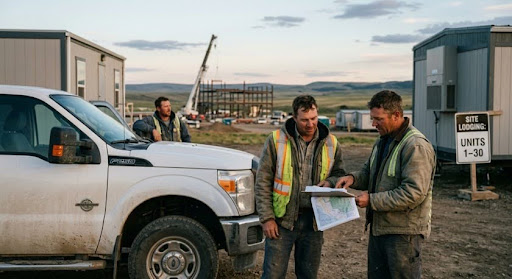
In 2025, the construction industry is contending with a complex mix of cost pressures and logistical challenges. Skilled workers are scarce and increasingly mobile. And with job sites scattered across cities, states, and rural regions, keeping a handle on travel and expense (T&E) costs is a strategic advantage.
Recent industry data reveals that construction cost inflation rose by 4.69% year-over-year in 2024, with projections indicating a 5-7% increase globally in 2025 [1]. Yet many construction firms still struggle to accurately forecast travel and field expenses during the early stages of project planning. The result? Underestimated budgets for corporate travel, unexpected overages, and tighter margins.
When done right, business travel and expense forecasting supports:
- Smarter bidding
- More profitable execution
- Better risk planning
- Optimal resource allocation
Let’s explore what makes travel in construction so unique and how leading firms are tackling it in 2025.
What’s Driving Construction Travel Costs in 2025?
A software rep hopping on a plane for a two-day client visit is not the same as a crane operator heading to a job site for three months in a rural area. The demands, and therefore the costs, are fundamentally different.
Here are some factors driving construction travel costs:
1. Labor Mobility and Specialization
With an estimated shortage of 450,000 to 550,000 craft workers in 2025 [2], companies are forced to move specialized talent between job sites.
That mobility brings cost implications in corporate travel:
- Specialists command premium rates (wages + travel stipends)
- Longer assignments mean extended lodging and meal costs
- Special tools often require dedicated shipping
- Quality accommodations are essential for physical recovery
Construction unemployment is hovering around 4.4%, and wages have risen by more than 7% in several key roles [2] . These costs add up quickly.
2. Distributed Projects Across Diverse Regions
The Infrastructure Investment and Jobs Act has pumped billions into new projects, many spread across rural zones and multiple cities.
That’s created scenarios in business travel like:
- Crews rotating between job sites weekly
- Long-term housing needs in areas with few hotel options
- Complex logistics for transportation and supplies
- Scarcity pricing, where hotels or transport services are limited
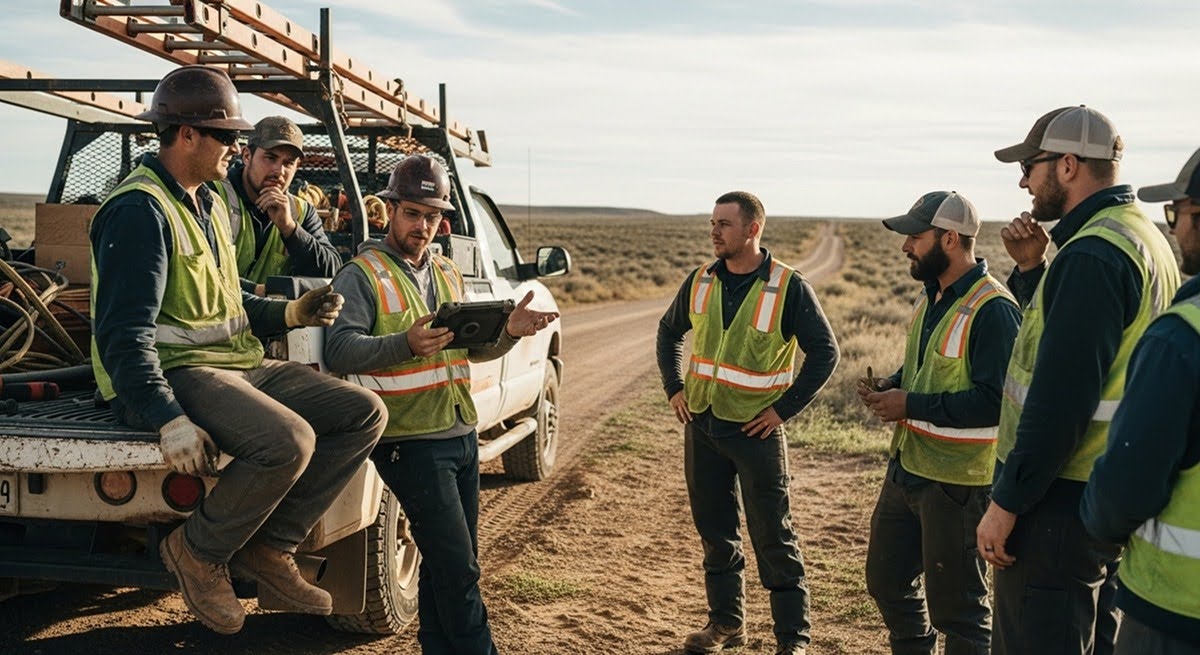
Remote work sites, in particular, often have hidden costs: premium pricing, lower productivity during travel days, and limited local amenities.
3. Technology Roles Add New Travel Requirements
Ironically, even as remote coordination becomes more common, new corporate travel needs have emerged due to increased tech use on job sites. These include tech integration crew, BIM specialist, and more. These personnel often travel with specialized equipment and require fast response times, making travel for them both urgent and expensive.
Forecasting Travel Costs: What You Can’t Afford to Miss
In a volatile cost environment, having a precise view of your expected travel expenses is critical. Forecasting in construction requires a more layered, contextual understanding than traditional business travel budgeting.
Direct and Indirect Cost Categories
Travel in construction budgets often misses hidden costs. While direct expenses like flights and hotels are easy to track, indirect ones, like laundry, storage, or upgraded lodging for recovery, quietly add up. Ignoring them leads to under-budgeting and costly surprises later.
Regional Cost Variability
For Fiscal Year 2025, the General Services Administration (GSA) has updated standard per diem rates to $110 for lodging and $68 for meals and incidental expenses (M&IE), representing increases from the previous year's $107 and $59, respectively [3]. Per diem rates in major cities tell only part of the story.
Here’s what 2025 business travel rates look like in some high-cost metro areas:
- NYC: $342 lodging, $92 M&IE
- Washington D.C.: $276 lodging, $92 M&IE
- San Francisco: $272 lodging, $92 M&IE
- Chicago: $223 lodging, $92 M&IE
Other factors further complicate regional budgeting include local gas prices, insurance differences, and inflationary construction rates
Seasonal and Market Timing
Spring and summer bring peak construction activity, and with it, steep increases in travel and lodging costs, often 20% to 40% higher. Tourist demand, events, and limited availability drive prices up. Storms, delays, or material shortages can further extend stays and inflate budgets. Early planning helps avoid costly surprises.
The Role of Technology in Modern Forecasting
Smart platforms and digitized tools have transformed how construction firms manage T&E. These tools along with corporate cards not only improve accuracy but also reduce manual errors and provide real-time visibility.
Expense Management Systems
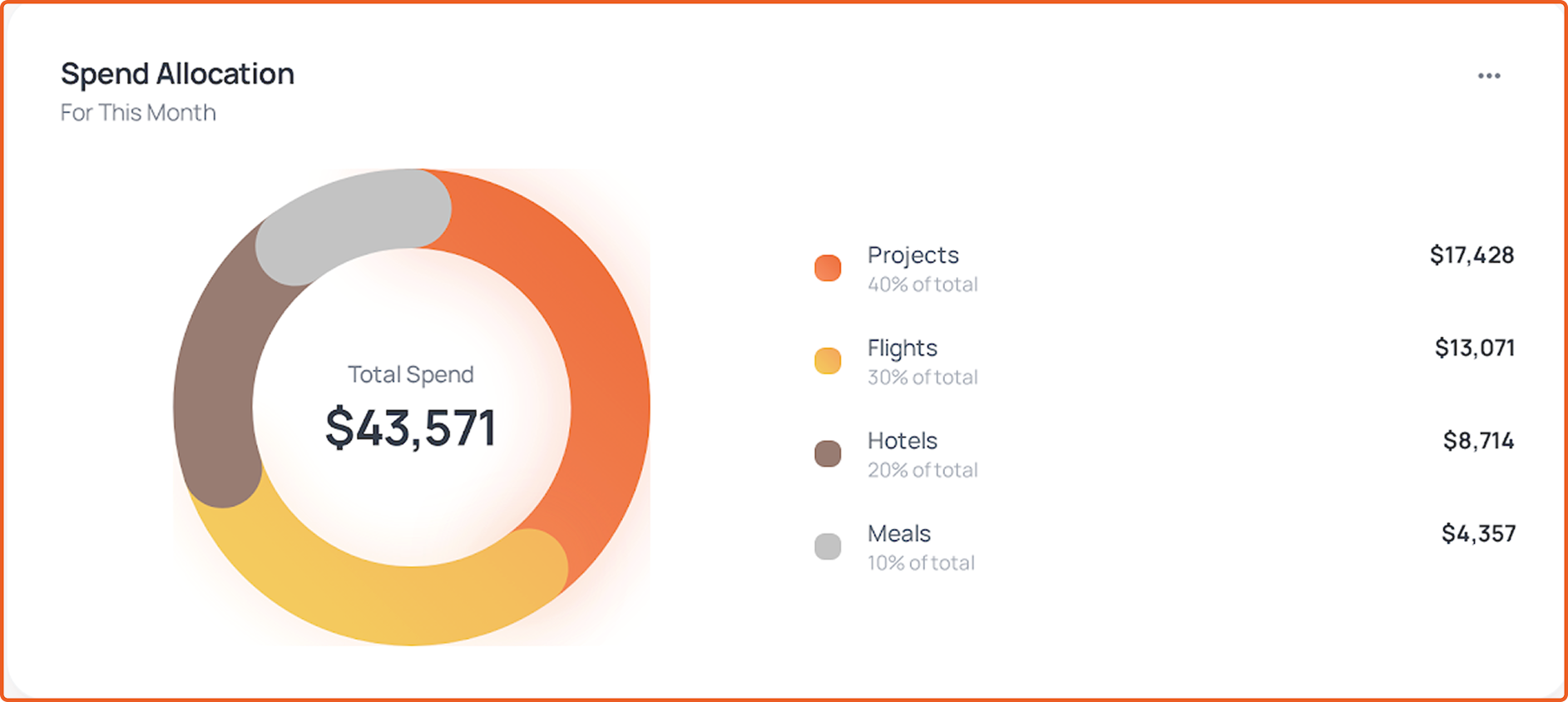
Modern expense management platforms offer robust forecasting and cost-control capabilities. From live dashboards to project-level reporting, finance teams can allocate, monitor, and adjust budgets with greater precision.
Teams benefit from automated policy enforcement, streamlined approvals, and integration with accounting software. Historical project data feeds forecasting models and helps identify recurring issues, from overspend to underutilized budgets.
Corporate Card Authorization and Integration
Corporate card solutions specifically designed for the construction industry needs provide enhanced control over travel expenses while simplifying cost tracking and reporting.
Further, virtual corporate cards with cc authorization let employees make essential purchases like lodging, fuel, or equipment transport in real time, within pre-approved credit limits.
Control Features
- Per diem limit enforcement and spending category restrictions
- Real-time transaction monitoring and alerts
- Automatic expense allocation to projects and cost centers
- Detailed transaction data supporting accurate cost analysis
Why it matters for construction firms
- Keeps crews moving by eliminating approval delays with cc authorization.
- Removes the burden of out-of-pocket expenses, reducing stress for field teams.
- Ensures policy compliance through built-in controls, with no need for micromanagement.
- Prevents end-of-project chaos with real-time, categorized expense tracking.
Planning for the Unplanned: Contingency Budgeting
Travel in construction rarely unfolds without hiccups. Effective forecasting includes scenarios for what can, and often does, go wrong. Weather-related delays might require hotels for several extra days or alternative transport when flights are grounded.
Insurance costs also vary by state and job type. Workers’ comp, general liability, vehicle coverage, and professional indemnity for traveling consultants all need to be considered. Failing to account for these can create compliance risks and unplanned expenses during corporate travel.
Conclusion: Forecasting Isn’t Just Numbers, It’s Margin Protection
The most competitive firms in 2025 are those that treat expense control as a job-site priority, not an afterthought. They give their people what they need to act fast, without opening the door to financial chaos.
itilite helps construction leaders do exactly that. With built-in travel and expense forecasting tools and cc authorization controls, you get proactive insight, not reactive cleanup.
Because in this business, you don’t just build structures. You build trust, momentum, and long-term profitability. It starts with controlling what most can’t see, and scaling what others can’t manage.
References
[1] Corpay Lodging. (2024). "Navigating Bid Estimates and Construction Travel." https://www.corpaylodging.com/news/travel-costs-in-the-construction-industry
[2] Dragone, John. (2025). "Outlook for Construction Costs in the Second Half of 2025." LinkedIn. https://www.linkedin.com/pulse/outlook-construction-costs-second-half-2025-john-dragone-ctsfe
[3] Itilite. (2025). "A Guide to Travel Per Diem Rates in 2025." https://www.itilite.com/blog/travel-per-diem-rates-in-2025/
[4] Paragon Estimating. (2025). "Step-by-Step Guide to Accurate Construction Estimating in 2025." Medium. https://medium.com/@ParagonEstimating/step-by-step-guide-to-accurate-construction-estimating-in-2025-aff0a238a78b
[5] SAP Concur. (2025). "Travel & Expense 2025: 4 trends and predictions from industry experts." https://www.concur.com/en-us/resource-center/ebooks/travel-expense-2025-4-trends-and-predictions-industry-experts
[6] RSMeans. (2023). "The Comprehensive Guide to Construction Cost Estimating." https://www.rsmeans.com/resources/construction-cost-estimate-guide
FAQ
1. How do I estimate travel costs for construction projects in 2025?
Start by analyzing project location, duration, and personnel requirements. Use current GSA per diem rates ($110 lodging, $68 M&IE for standard areas) and adjust for Non-Standard Areas. Factor in transportation costs and logistics, equipment shipping requirements, indirect costs like extended stay needs, and regional cost variations with seasonal impacts.
2. What are the current per diem rates for construction workers in 2025?
The 2025 standard per diem rates are $110 for lodging and $68 for meals and incidental expenses. However, high-cost areas have significantly higher rates, with New York at $281 lodging and $92 M&IE, Boston at $291 lodging and $92 M&IE, San Francisco at $259 lodging and $92 M&IE, and Washington D.C. at $276 lodging and $92 M&IE.
3. How much should I budget for construction crew travel expenses?
Budget 8-15% of total labor costs for travel expenses, depending on project location and accessibility, crew mobility requirements, and duration of assignments. Remote projects may require 15-20% allocation due to higher costs associated with transportation and accommodation challenges.
4. What factors affect construction travel cost forecasting accuracy?
Key factors include seasonal demand variations and weather impacts, regional cost differences and local market conditions, labor availability and specialist requirements, project duration and scope change potential, and equipment transportation needs with logistics complexity.
5. How do construction travel costs compare to regular business travel?
Construction travel costs are typically 30-50% higher due to extended stays and longer assignment durations, specialized accommodation needs for physical recovery, equipment transportation requirements, remote location accessibility challenges, and higher-quality facility needs for demanding work.
6. What are the highest-cost cities for construction travel in 2025?
The highest-cost cities with their lodging per diem rates are Boston at $291 per night, New York at $281 per night, Washington D.C. at $276 per night, San Francisco at $259 per night, and Chicago at $194 per night.
7. How do rural construction projects affect travel cost estimation?
Rural projects often require higher transportation costs due to distance and accessibility challenges, limited accommodation options leading to premium pricing, potential need for temporary housing solutions, extended commutes or specialized transportation arrangements, and higher contingency percentages for unexpected costs.
8. What are the travel cost implications of multi-state construction projects?
Multi-state projects require consideration of varying per diem rates across different states, state-specific insurance and licensing requirements, different tax implications and compliance needs, potential certification or training costs for workers, and complex logistics coordination across jurisdictions.
9. How do international construction projects impact travel cost budgeting?
International projects involve currency exchange risks and fluctuation impacts, visa and documentation processing costs, international insurance requirements and coverage gaps, extended travel times and jet lag recovery needs, and significantly higher per diem allowances and living costs.
10. What seasonal factors should I consider in construction travel cost planning?
Peak construction season (spring/summer) brings 20-40% increases in accommodation costs, limited availability requiring advance booking, weather delay contingencies for winter projects, specialized transportation arrangements for harsh conditions, and tourism season impacts on accommodation availability.
11. What expense management software works best for construction companies?
Modern expense management platforms should offer mobile capabilities for field personnel, project code integration and cost allocation, real-time reporting and budget tracking, offline functionality for remote locations, and integration with existing project management systems.
12. How can corporate cards help control construction travel expenses?
Corporate cards provide benefits through spending controls and category restrictions, automatic expense categorization and coding, real-time transaction monitoring and alerts, detailed spending visibility and reporting, and reduced administrative burden and processing time.
13. What mobile apps help construction workers manage travel expenses?
Essential mobile app features include offline capability for remote locations, receipt capture and automatic data extraction, mileage tracking with GPS integration, integration with project management systems, and simple, intuitive interfaces for field personnel.
14. How does automation reduce construction travel expense processing time?
Automated expense processing reduces time by 60-80% through automated receipt capture and data extraction, policy compliance checking and violation alerts, direct integration with accounting and payroll systems, workflow automation for approvals and reimbursements, and elimination of manual data entry and paper processing.
15. What reporting features are essential for construction travel expense management?
Essential reporting features include project-level cost allocation and tracking, real-time spending dashboards and budget monitoring, budget variance alerts and exception reporting, per diem compliance tracking and audit trails, and comprehensive cost analysis and trend reporting.
16. How do I ensure GSA per diem compliance for construction projects?
Ensure compliance through automated policy enforcement via expense management systems, clear guidelines and training for traveling personnel, regular audits and compliance monitoring, current rate updates and policy adjustments, and documentation requirements and approval workflows.
17. What travel policies work best for construction companies?
Effective policies should include clear per diem guidelines and rate structures, pre-approval requirements for extended stays, preferred vendor programs and negotiated rates, flexibility for emergency travel situations, and specific provisions for equipment transportation.
18. How do I handle travel expense policy violations in construction?
Address violations through clear consequences and escalation procedures, additional training and policy education, stronger controls through technology implementation, regular policy reviews to ensure operational alignment, and root cause analysis to prevent recurring issues.
19. What documentation is required for construction travel expense audits?
Required documentation includes detailed receipts and transaction records, project allocation records and cost center assignments, mileage logs and transportation documentation, accommodation confirmations and extended stay justifications, and justification for expenses exceeding policy limits.
20. How do tax implications affect construction travel expense management?
Tax considerations include proper documentation ensuring tax deductibility, per diem allowances remaining non-taxable when GSA compliant, accurate record-keeping supporting audit defense, state-specific tax implications for multi-state projects, and international tax considerations for overseas work.
21. How far in advance should I plan construction travel budgets?
Plan travel budgets 6–12 months in advance for major projects, with quarterly reviews for market changes and adjustments, monthly monitoring for scope modifications, seasonal adjustments for cost variations, and continuous updates for long-term projects.
22. What contingency percentage should I include for construction travel costs?
Include contingency based on project characteristics: 10–15% for standard projects with predictable conditions, 15–20% for remote projects or uncertain weather conditions, 20–25% for projects with potential scope changes, and more for international or complex logistics.
23. How do I forecast travel costs for multi-year construction projects?
Use historical cost escalation data (typically 3–5% annually), monitor GSA rate trends, build in market flexibility, assess inflation impact, and regularly update forecasts based on actual costs and performance.
24. What benchmarking data helps improve travel cost estimation accuracy?
Use benchmarks such as regional per diem utilization rates, transportation cost per mile by project type, accommodation cost trends, regional variations, and industry-specific ratios.
25. How do I track actual vs. estimated construction travel costs?
Implement real-time tracking tools, conduct monthly variance analysis, maintain historical cost databases, use performance metrics, and follow continuous improvement protocols.
26. How can I reduce construction travel costs without impacting project quality?
Use optimized crew scheduling, negotiate corporate rates, build preferred vendor programs, leverage technology for coordination, and plan efficient logistics.
27. What strategies help minimize extended stay costs for construction crews?
Negotiate weekly/monthly accommodation rates, use corporate housing, schedule efficiently, hire locally when possible, and implement shared housing arrangements.
28. How do I manage emergency travel costs in construction projects?
Maintain emergency travel budgets, establish vendor partnerships for urgent bookings, streamline approval workflows, monitor trends, and build rapid response plans.
29. What role does crew scheduling play in travel cost optimization?
It reduces travel frequency, maximizes per diem efficiency, avoids overlaps, aligns with milestones, and helps deploy resources optimally.
30. How can bulk purchasing or corporate contracts reduce travel expenses?
Secure hotel rate discounts, optimize transportation costs with fleet programs, negotiate bulk travel deals, and use consolidated booking tools.
31. How do labor shortages impact construction travel cost planning?
They increase competition for skilled workers, raise travel allowance costs, extend recruitment travel needs, and create mobility challenges across regions.
32. What impact do material delivery delays have on travel cost budgets?
Delays cause extended stays, higher per diem costs, rescheduling travel, additional relocation expenses, and potential need for premium rate labor.
33. How do safety requirements affect construction travel cost estimation?
Safety rules may require upgraded accommodations, certified transportation, additional personnel, specialized training travel, and increased insurance coverage.
34. What are the travel cost implications of specialized construction trades?
These include premium allowances, longer travel distances, specialized lodging, equipment shipping costs, and higher per diem rates.
35. How do union requirements impact construction travel expense management?
Unions may mandate certain lodging standards, transportation methods, travel time pay, specific per diem rates, and require strict compliance.
36. What ROI can I expect from implementing construction travel expense management software?
Typical ROI ranges from 200–400% through reduced admin costs, better compliance, improved visibility, faster reimbursements, and budget control.
37. How does poor travel expense management impact construction project profitability?
It can reduce margins by 2–5%, cause cost overruns, increase audit risk, raise admin burden, and hurt competitive positioning.
38. What metrics should I track to measure travel expense management effectiveness?
Track cost per traveller/day, policy compliance, processing time, budget variance, and admin efficiency metrics.
39. How do I calculate the total cost of ownership for construction travel programs?
Include direct costs (travel, lodging), admin time, tech costs, audit risks, and inefficiency losses.
40. What business benefits result from improved construction travel cost forecasting?
Benefits include competitive bidding, improved cash flow, fewer overruns, better planning, and enhanced client trust.
41. How do I implement a new travel expense management system for construction?
Secure executive buy-in, assess needs, select tech, train staff, and roll out in phases with feedback.
42. What training is needed for construction crews on travel expense management?
Training should cover company policy, system usage, documentation standards, per diem rules, and mobile app usage.
43. How do I handle travel expense management for subcontractors?
Set clear contract terms, enforce compliance, document expenses, separate tracking, and audit for accuracy.
44. What integration capabilities are important for construction travel expense systems?
Key integrations include project management tools, accounting systems, payroll platforms, and banking or corporate card connections.
45. How do I ensure data security in construction travel expense management?
Use encrypted cloud platforms, access controls, perform audits, enforce authentication, and ensure regulatory compliance.
46. What regulatory changes might impact construction travel expense management?
Watch for GSA updates, tax rule changes, stricter reporting, labour law shifts, and environmental mandates.
47. How should construction companies prepare for future travel cost increases?
Use escalators in contracts, diversify vendors, adopt tech, create contingency plans, and monitor trends regularly.
48. What role will sustainability play in construction travel expense management?
Choose greener transport, minimize travel, use eco hotels, integrate CSR, and support carbon offset programs.

Ardra is a Content Strategy Manager at ITILITE with 6+ years of experience in travel and SaaS content. She holds a Master’s degree in Political Science from Lady Shri Ram College for Women and transitioned from academic research and travel content into SaaS content strategy.
She previously worked with JustWravel, where she focused on travel storytelling and digital content. Today, she specializes in SEO and AEO-driven content strategies that help businesses simplify complex travel and expense workflows into search-optimized narratives.
When she’s not working, Ardra is usually reading or watching films.
Control Costs, streamline travel with 24/7 support.
A fully integrated corporate travel management software that dramatically reduces spends while improving user experience





.jpeg)


.jpeg)
.jpeg)

.webp)

.jpeg)
.jpeg)

.webp)







.png)